It's amazing how things from your life start to pull together. You know what I mean...that one thing you've always been super passionate about, but not sure why. Or, how about people always telling you when you were in grade school that you'd make an excellent (insert job title here). What about some of this smaller things such as hobbies or just basic circumstances. When they all start to collide it's overwhelming, but so beautiful. That is the place I am at, and have been, for a few years now.
Where do I start? I grew up in a very small town in upstate NY that is not very diverse. However, I've had this strong desire to learn everything I could about human rights, the civil rights movement in America, the apartheid in South Africa and more. God had put a burden on my heart for, what society calls, the "less thens", the "minorities", the "undesirables". I tried to seek out new students and make them feel welcomed, as I was, once a new kid in a small town and know how hard that can be. Eventually, I moved out of NY and into bigger cities such as Chicago. I finished my college education there and my eyes were opened so much to the world and culture - what I was craving. I LOVE diversity. I thrive in it. That's the artist and creative in me. Life took me on a journey that eventually landed me in New Orleans. I laugh, because, the fact that I'm in New Orleans and I absolutely love it here is PROOF that God has a sense of humor. I remember seeing the coverage of Katrina on my TV from my dorm room and being sad but thinking I could never ever live there. Right...don't ever say never to God.
Guess what! I fell in love with this city the first time I visited in January 2012. Sure, I was here for the AllState Sugar Bowl because the Michigan wolverines were playing and I had just moved down here (to Lafayette). Sure, I was a tourist and didn't SEE New Orleans beyond the French Quarter and the Superdome. But let me just say this...once you're here...it never leaves you. The food, culture and people are the best. Six months later we moved to New Orleans and haven't looked back.
It didn't take long for us to start to see the brokenness in New Orleans. The excessive amount of lacking in this city is just down right horrendous. A year ago we bought a small home in an underdeveloped, kind of forgotten area of New Orleans. Part of us buying in this area was because of our circumstances. We're a lower-income family but happened across a STEAL of a deal and made it work...and we're SO happy we did. Our neighborhood is full of so many abandoned and over grown lots. Many of our streets are dirt or severely pot-hole stricken. This past fall the brand new McDonough 35 school building (the first black public school in new orleans) opened up at the end of our street and that is what pushed the city to start to pay attention. They came in and cleaned up the blighted lots. They put up stop signs to the streets that were missing them.
Shortly after moving in we started researching info on the abandoned lots in our neighborhood. The property next to us is current on their taxes, but not being used or maintained. We've tried to buy it so I could use the space as my studio, but that hasn't happened yet. The empty lot next to it, I dream of putting in a community garden with programs that will help teach people how to plant, grow, harvest and cook fresh food. At the end of our street, on St. Bernard, is a stretch of abandoned property. Across the street is where they're starting to put in an elementary school. I have my eyes on this property. Before we even owned our home, God gave me great vision for this neighborhood. A vision of restoration, growth and prosperity. I could see, clearly, beyond the falling down buildings crippled from Katrina. I could see beyond the 12 foot weeds and off-road trail quality roads. I could see beyond the low-income and "lack" of the community. I instantly KNEW this is where we had to be. The biggest dream God laid on my heart for this community is an after school center for children. Being nestled between a high school and soon to be elementary school, we're in the perfect location for it.
I dream of a space where kids can come and KNOW that there will always be someone there to help them with their home work, give them an after school snack (or meal), someone to help them with their homework, some one to encourage them, love them and help them in their daily struggles and big life decisions. A place where we teach kids art and life skills (painting, crochet, knitting, gardening, cooking, etc). A place that is safe and full of love.
Can I just say, this is SO EXCITING but so overwhelming and terrifying. New Orleans is a HARD city to love and share Jesus. This facility I want to start isn't necessarily a "religious" ministry, but that is the heart of it and what drives the mission. I dream of the schools, churches and neighbors working together at this space - us ALL invested in the lives of our children. I recently read that, in New Orleans, 40% of children live below the poverty level. That is unacceptable. Louisiana is the worse place for low-income households, minorities and immigrants when it comes to equality, social justice and quality of life.
I'm going to start walking this neighborhood, praying over the land, the people and the buildings. Begging God to open doors, soften hearts, for healed land and relationships, for protection. It's going to be a battle. I know, Satan enjoys seeing the depravity of my neighborhood. He enjoys seeing people lacking, hurting and falling farther from God...thinking they're worthless and unloved. Well, not anymore. Today, I saw me...and soon many others joining me...walking in circles around this neighborhood and proclaiming it God's. Taking claim to what is His...and seeing the walls fall down. The deceit, the darkness and junk fall away.
I'm going to start filing for a 501C3 so we can get the ball rolling on "HeART of NOLA". This name was placed on my heart as it is "HIS heart that children come to HIM". We are semi-centrally located in the city and will have a strong focus on the arts.
So, now comes the call to action part. I thank you for taking the time to read through this mess of a post. It's not the most eloquently written post...it's a mess...just like myself. I just ask that you pray. Pray for guidance and wisdom. For open doors and hearts. For opportunity. For God to just overwhelm this community in a way that makes it impossible for people to not want to join in and help make it better and love on our kids. That these people see that God is here. He loves them. He wants the BEST and BETTER for them. Can you pray for provision and protection? I'm shaking in my socks. This is a huge step for me...only a few people really know this dream...and it's time for it to be put to action.
If you're interested in joining me in walking my neighborhood and praying, let me know! I'm super flexible on WHEN I walk.
God Bless.

Sunday, March 20, 2016

Wednesday, January 27, 2016
DIY Hand Painted Sign with No Fancy Equipment and on a Budget

Hand painted signs are very trendy right now. Unfortunately, many don't have the ability to buy an expensive machine to cut out a stencil for them or have skill to free hand what they're looking for. The purpose of this tutorial is to help you make a hand painted sign without fancy equipment and on a small budget. Let's get started!
MATERIALS:
5x5 wood sign ($1.99)
a small paint brush ($3 or less)
2oz White Craft Paint (79 cents)
carbon paper ($2.99 - pk of 2 - Mona Lisa brand)
washi tape ($1-2 - i used painters tape i had on hand)
paper plate or tray (99 cent trays)
pen or pencil
warm water
image you want to paint
ALL the materials listed can be purchased at Michael Craft Stores.
Step One.
Print off the image or text you want to paint. Be sure to have it sized to fit on your wood sign. If you'd like to use what I am painting for PERSONAL USE ONLY you can download it here.
Step Two.
Trim the image down. You don't want all the excess, it makes it harder to center on your sign. Lay it on top of your carbon paper. Trim around the image leaving a little border and tape down using your washi or painters tape and center it on your wood sign and carefully tape it down to your wood sign.


Step Three.
Carefully trace over your image. Minor mistakes are fine, you'll be able to fix them while painting. After you're done, carefully remove the image from your sign. You'll see a faint outline of your design.


Step Four.
Put some of your paint onto your plate or tray. I add a few drops of warm water to my paint and mix it in. I find that watering it down little helps with the flow while painting. Also, warm water is key. It helps with the flow of paint as well.

Step Five.
Using your paint brush, start carefully filling in your design. Take your time. Make sure to JUST cover the lines. The key is a slow and steady hand and wet, fluid paint. You will have to do a second coat, but craft paint dries FAST. By the time I finished the first coat I was able to start the second.


Once your second coat is dry, you're DONE! Woo Hoo. You just created your own wood sign with no fancy equipment and for little money! I do ask that if you use my "Choose Joy" design that you use it for personal use only.
This concept can be used on larger wood signs, etc. After you've mastered this, consider trying free hand. Free hand comes more naturally with practice and learning to move slow and steady.

Not interested in making your own wood sign? Feel free to contact me on Etsy. We can work together to create a custom piece just for you.
Thursday, September 17, 2015
Sweetly Crafted Week 3
Welcome, friends, to week three of Sweetly Crafted!
 Sweetly Crafted is a weekly link up to feature your handmade products. Exciting, right? Let's meet the hosts, shall we?

 Meet Sara of Sara Nicole. Sara is a small business owner, blogger and a huge supporter of the handmade community. Be sure to follow her on her blog and social media!


 The Staff Picks are...
Sweetly Crafted is a weekly link up to feature your handmade products. Exciting, right? Let's meet the hosts, shall we?
Meet Sara of Sara Nicole. Sara is a small business owner, blogger and a huge supporter of the handmade community. Be sure to follow her on her blog and social media!
Meet Erin; blogger, business owner and handmade lover. You can find her at the following links.
Now that you know us, we want to get to know you! Be sure to join in the link up and say hello in the comments. But first, let's take a look at some highlights from last week!
This weeks Most Viewed Products are...
- Growth Abstract Painting - Buttons and Paintbrushes
- Halloween Frankenstein - Where Withal Art
- Fairy Garden in a Teacup - Whimsies and Rugs
The Staff Picks are...
- Blanket for Baby - Blankies by Jackie
- Beeswax Essential Oil Body Lotion - Nourishingly Natural
- Full Color Pet Portrait - Timeless Art by BJ
Joining the link up easy!
- Link up to 3 product listing links.
- Visit at least 3 more.
- Sharing is caring! Be sure to share your favorites and let everyone know you're partying with us!
Thursday, September 10, 2015
Sweetly Crafted Week Two
Welcome, friends, to week two of Sweetly Crafted!
Sweetly Crafted is a weekly link up to feature your handmade products. Exciting, right? Let's meet the hosts, shall we?
Meet Sara of Sara Nicole. Sara is a small business owner, blogger and a huge supporter of the handmade community. Be sure to follow her on her blog and social media!

 The Staff Picks are...
[Tweet "Have you linked up your handmade products at #SweetlyCrafted?"]
Sweetly Crafted is a weekly link up to feature your handmade products. Exciting, right? Let's meet the hosts, shall we?
Meet Sara of Sara Nicole. Sara is a small business owner, blogger and a huge supporter of the handmade community. Be sure to follow her on her blog and social media!
Meet Erin; the blogger behind Sugar Crumbs, business owner and handmade lover. You can find her at the following links!
Now that you know us, we want to get to know you! Be sure to join in the link up and say hello in the comments. But first, let's take a look at some highlights from last week!
This weeks Most Viewed Products are...
- Bright Paper Flower Bouquet -Bella Lunas Flowers
- Gather Chalkboard - Bugaboo Bear Designers
- State Love String Art - The Craft Penguin
The Staff Picks are...
- Primary Color Chunky Rose Necklace - Bitty and Bear
- Top Hat Tony Bunny - Kiser Krafts
- Custom Ballerina Play Set -Landons Toy Box
Joining the link up easy!
- Link up to 3 product listing links.
- Visit at least 3 more.
- Sharing is caring! Be sure to share your favorites and let everyone know you're partying with us!
[Tweet "Have you linked up your handmade products at #SweetlyCrafted?"]
Thursday, September 3, 2015
Sweetly Crafted Week One
Welcome, friends, to week one of Sweetly Crafted!
Sweetly Crafted is a weekly link up to feature your handmade products. Exciting, right? Let's meet the hosts, shall we?
Meet Sara of Sara Nicole. Sara is a small business owner, blogger and a huge supporter of the handmade community. Be sure to follow her on her blog and social media!

Sweetly Crafted is a weekly link up to feature your handmade products. Exciting, right? Let's meet the hosts, shall we?
Meet Sara of Sara Nicole. Sara is a small business owner, blogger and a huge supporter of the handmade community. Be sure to follow her on her blog and social media!
Meet Erin; the blogger behind Sugar Crumbs, business owner and handmade lover. You can find Erin at the following links.
Now that you know us, we want to get to know you! Be sure to join in the link up and say hello in the comments.
Joining the link up easy!
- Link up to 3 product listing links.
- Visit at least 3 more.
- Sharing is caring! Be sure to share your favorites and let everyone know you're partying with us!
<div class="Sweetly-Crafted-button" style="width: 150px; margin: 0 auto;">
<a href="http://www.Sugar-Crumbs.com" rel="nofollow">
<img src="http://sugar-crumbs.com/wp-content/uploads/2015/09/party-at-sweetly-e1441223641218.jpg" alt="Sweetly Crafted" width="300" height="150" />
</a>
</div>
Then come back next week to see if you've been featured!
Fun right? Happy Linking!
Tuesday, August 25, 2015
Craft Show Advice and Q&A
So, I've been trying to figure out how to best write this post...do I do one long post? A series? What I'm going to do is go through my process of doing an art market. At the end I'll answer the other questions that were asked that I didn't answer in my run through of my process.
September through May I participate in a monthly art market. Before I even applied to be a vendor I made sure to check out the market. I highly recommend doing this. Especially markets that are pricey. What kind of vendors do they already have. What kind of visitors/customers does the show have? What type of neighborhood is this market located (a wealthy area, a rural area, a touristy area, etc)? Having that kind of information helps to not only determine if your art will fit into the show and do well but also know how to plan your booth and inventory.
My show is from 12-4pm. I try to get there between 9:30-10am so I have plenty of time to set up. My booth set up has changed regularly. I adjust it due to the time of year, my current inventory or a random idea that pops into my head.

This was my first ever booth. I had 2 four foot tables set up close to the front of my tent. I did have a cube shelf to add height...but there isn't much excitement to draw people in. They can walk by and see everything without stopping. The only reason I made more than my booth fee at this show was because a lot of friends showed up to support me!

This was my most recent booth set up. I built a frame to hang some prints on. I also built a more sturdy cube shelf to put mugs on. Lastly, I built small ledges for my canvases to be on. I focused a lot more on aesthetics and height. I have 3 six foot tables here. The set up allows people to walk into the tent and brown. My set up looks full and inviting.
It's important to be able to set up AND tear down everything efficiently. It took me a few shows to really get good at this. Now I'm able to do so super fast! Many shows require the vendors to be set up by a certain time before the show. Make sure to read all the rules and follow them.
I bring a camp chair with me and sit toward the back. I acknowledge everyone that comes into my booth. I at least say "hi". You can kind of judge whether or not they like to talk or like to shop alone. Don't over step. But don't be afraid to have small talk with people. Getting to know other vendors is GREAT as well. Be willing to help another set up their tent or lend them your scissors.
Many shows have food vendors...but I like to bring my own snacks and water. I like to bring home the money I make! As far as money goes - I use the Etsy card reader. I put ALL sales through this...even cash sales. Doing this allows the sales to count as Etsy sales. It also gives the buyer the ability to leave you feedback if they give you their e-mail for a receipt. My items aren't super expensive. I bring between $60-100 in cash with me in 1s, 5s and 10s. I sell everything in even dollars - no change. I include tax in my prices (I actually don't have to collect sales tax at this market - but check your local laws and follow them. I do have to have a specific permit to participate).
To determine how much product to bring is a bit tricky. Honestly, I say bring as much as you can handle. Assuming you've checked out the art show previously, you can get an idea on how buys the show will be. You can't sell it if you don't bring it. You need to make sure your booth looks full...but not crowded. You want a few extra so that when you start to sell items you can fill in the empty space. I keep back stock under my tables. Bring your favorites. If you sell elsewhere (Etsy, etc.), bring your top sellers. Do some research. Find out what colors are trendy - bring that. Is there a holiday coming up? Bring items that work for that holiday. Play to your audience.
Also. Price everything. Price individually. Make signs that say the prices of things. I have found that you can't label the pricing enough. I price each thing individually and on separate signs and people still ask me how much things cost.
Okay...so Q&A's
Do I sell the my items at the same price in person as online?
Depends. I may start with the same price. I like to see how people react. Are people all interested but not buying once they see price? I may take a few bucks off. However, it's not really cheaper selling in person as it is online. You have booth fees, tent, tables, etc. that all cost money too. Just know, pricing can be fluid. It can change. But know - if you're giving people your Etsy info and there are huge price difference...they may be turned off.
How many items and variety to bring to show?
I touched on this already. It's hard for me to tell you how much to bring. It really depends on the show. How many hours is the show? How many people are expected? How much inventory do you need to keep your booth looking full and inviting? The variety again depends on your audience. By scoping out the market ahead of time you can get an idea on who your shoppers will be. Bring your favorites. But also bring what is currently trendy or popular.
Can I display a portfolio of my work?
Yes. However, don't rely on it. Bring ready to sell work. Most people want to buy at the market and take home then rather than custom orders. Depending on what you sell, it can be beneficial though. Make sure to put a business card in the hands of everyone that shows interest. That way they can find you again when they need to make that custom order.
Should you take custom orders at shows? How do you handle payment?
I'm always open to taking custom orders. I like to create a written out receipt that has a carbon layer so that we both have a copy of the order with all the information. Be open to custom orders, just don't rely on them. I, personally, require full payment upfront for all custom orders -- but my items aren't terribly expensive. If a customer puts money down there is less chance of problems later. Do NOT make the item without any kind of payment.
Should you have your inventory written down?
YES!!! I a simple inventory list that can be found here. I like to keep it simple. For example I sell mugs. I don't write down each quote of mugs I have for sale. Instead I just write "mug" and then fill in quantity. I then tally how many mugs I sell. This helps me know what was selling during different times of year. It helps me remember what was selling well so I make sure I have enough at the next show. If something wasn't selling...I may not bring it back.
How to handle rude customers.
I've been blessed to have not had many, if any, rude customers. However, I highly recommend being polite. Don't go off on them. If you're not comfortable with people taking photos consider making a sign that you post saying so. If they still take photos just ask politely that they don't take photos. If someone says to you directly that they can make what you sell or asks how you make something...again be polite. You can just smile. You can tell them, politely, that you don't share your trade secrets that you've spent many hours perfecting. Remember that you are part of your brand. Your facial expressions, body language and voice are all part of it. How you handle rude people will speak loudly.
Taxes.
Check your local laws about taxes. Do you need a permit? A license? DO include taxes in your price. It makes it way simpler. DO round up to an even dollar amount. This means you do not have to deal with coins. WAY simpler.
Candy? Free gifts?
I've never had candy for customers or kids. It tends to be really hot and a lot of candy would melt and get nasty here in New Orleans. However, try it. See if it draws people in. Just know, it is an expense (obviously not a big one...). If it's not doing anything beneficial the first time, consider not doing it in the future.
Receipts
I always have the carbon copy sales note pad on hand with me...but have never used it. I've never had someone ask for a receipt for a cash sale. Most of my card sales opt out of getting a receipt as well.
How to stay in contact with customers.
Make sure you hand out business cards. Your business cards should have every possible way the customer can get of hold of you (shop site, social media, e-mail). You can have a newsletter sign up if you'd like. However, be sure to send out a newsletter somewhat regularly if you have people sign up. Newsletters can be a lot of work. I don't use them. As far as a giveaway or raffle - this is something you have to figure out on your own. Many shows don't allow individual vendors to do them. Some states have specific laws about it. Also, can you afford it? All things to consider.
Can I sell licensed, trademarked or copyrighted items at craft shows?
NO. Unless you have direct permission from the owner of the trademark or copyright it is completely illegal to sell these sort of things online or in person. Depending on the show, there can be people that have been hired to troll the market and seek out people infringing on trademarks and copyrights. Many shows won't allow you to sell them to. Some don't care. It's not worth the hassle. If you did not create the character, logo, etc...don't sell it. No disney. No sport teams. Etc.
How to find local shows.
Pay attention to what's happening in your town. Get information about any and all art markets you come across. Consider searching facebook. I've searched craft shows new orleans and have found pages that share this info. Even simple google searches can help with the search. Also, ask people if they know of any. Fortunately, New Orleans has a festival happening almost every weekend...and many have an art market as part of it. We also have neighborhood mostly art markets. Getting to know the vendors have helped me find out about other opportunities to sell as well.
How to display clearance or discounted items.
Pay attention to the rules. Some shows actually don't allow clearance items. But if they do...put some in the front with a sign clearly making them clearance or discontinued. Price them at the lowest price you can afford. Talk them up.
What should I be doing during the show?
Bring a book or magazine...but don't sit and read it. Have it just incase the show is dead. Working on your craft can be cool. It shows people that you are the artist. Make sure your attention is given to customers first. If you look too busy for them - they may skip over your booth. Consider bringing a friend to work the booth with you. This way you can talk with one another to pass the time...but not look too busy.
How should I set up my booth?
This is a part of your branding. What look do you want to portray? I searched flickr for ideas. If you search "craft booth" or something similar you can browse thousands of photos of others displays and give you ideas on what you like and don't like. Pinterest is another great resource. Having an attractive booth is important. Use your vertical space. Make sure people are enticed enough to come into your booth.
Banners and signs
I have a wood banner that I made and hang in the back of my tent. It's not anything fancy, but it fits in with my shop style and look. Test out where you put it...if people don't see it...move it. Make sure it's simple, flows with your brand and is legible.
Your appearance.
Dress comfortably. You gotta set up and tear down your booth in these clothes...so be comfortable. Dress in a way that promotes your brand. Be friendly. Acknowledge everyone that comes into your booth. Small talk is fine - but don't go over board.
How to price your items.
I try to use this formula to price everything...
(material cost + time) x 2 = wholesale
Wholesale x 2 = retail
This doesn't always work. Sometimes I charge more. Sometimes I charge less. Checkout what others price similar work for. Be willing to be flexible with your pricing.
Do you have other questions?? Comment below or e-mail me. I'll be sure to answer them!
Friday, May 29, 2015
Grocery List: 5.29.15
Ahhh...it's been awhile since I've last posted. Shameful, I know. A lot has happened. My husband and I bought a house. My Etsy shop has blown up. My car accident has finally been settled (from a legal and financial stand point). Oh, and my husband and I have booked a trip to Budapest for this October! Phew!
I wanted to give ya'll an update on grocery shopping on a budget. I have to admit, there's been some weeks where we have eaten JUNK. With moving, my hand therapy and other random things, money had been tight for some months. Like...insane. However, a lot of that is behind us.
I'm having to eat low-carb, high-fat (LCHF)...should have been eating this way my entire life. I was born insulin resistant which has caused (well dr.'s believe this to be true nowadays) for my ovaries to be super lazy (PCOS) and to cause hormonal unbalance leading to adult acne, weight gain, fertility issues, etc. I no longer have any excuses to not eat LCHF...other than being lazy...and that's not an excuse! I need to loose at least 30 pounds. So eating any sort of processed food, high glycemic, refined carb food is going to do me no good...other than keep the weight on. Goodbye pastries. Goodbye bagels. Goodbye soda...and brownies...and the list could go on. However, eating this way is NOT a diet. This is a lifestyle. This is to better my overall health. Thankfully, it's not as much about restricting (except for BREADS...blah) and more about being conscious about what food I am eating and whether or not it is healthy or heavily processed. The truth is, the American diet as a whole, is unhealthy. We eat WAY more food than we should be...and a lot of that food is not good for us.
SO...this is day 1 of me seriously trying to do this. I'm not going to be perfect at this. I will "cheat" from time to time. But that's OKAY! There is no point in being miserable...however moderation and awareness is KEY!
My husband is going to be out of town for about a week and a half. Meaning, it's just me eating, cooking, etc for a bit. That's why the groceries aren't so high...however, I do like to keep my weekly grocery bill at $50/week for the two of us!
This is what I bought.

1# chicken tenderloins - $3.04
1# ground beef - $4.33
Baby carrots - $2.94
6 lemons - $2.88
Colby-Jack brick - $2.32
Strawberries - $4.98
Taco Seasoning - $0.64
3 Creole Tomatos - $3.52
Cantaloupe - $0.98
3 Chobani plain greek yogurt - $3
Romaine Lettuce - $1.78
Tax: $1.37
TOTAL: $31.78
I already have some items on hand...like shredded cheese, string cheese, unsweetened herbal passion ice tea (what my lemons are for), frozen veggies, chicken breast, hummus, eggs, fresh mozzarella, etc. Honestly, this food is more than enough for me for the week. I'm going to make tacos for us to eat tonight...hence the beef. So, really I could've spent just $25...but the meat was all on sale and I like to stock up when it is!
This doesn't look like a lot of food to many people I'm sure...but when I'm hungry for a snack, I'll be eating carrots and hummus, or fruit, or yogurt. No chips or cookies. Not only is this healthier...it's more filling as fruits and veggies have a good amount of fiber in them!
Want recipes that I regularly cook...or will be trying out? Check out my pinterest.
Tuesday, December 9, 2014
How I Increased My Etsy Sales

I interviewed for a few jobs, but it became evident very quickly that I needed to focus on my art. I needed to build my business. So I did.
Here is a look at stats from the time in which I quit my job.

I opened this shop the end of October 2013 but didn't really do anything with it until Thanksgiving time. While working at the bakery, I didn't have as much time to focus on my shop. I would work anywhere between 25-45 hours there. I was on my feet the entire time and was not given breaks. So, I was pretty tired at the end of each day both physically and mentally. I just wanted to come home and watch Netflix!
10 sales during the month of March isn't terrible for a relatively new shop. My views are low, favorites are low and my revenue is low. So what have I done to make this better?
1. I created items that are impulse buys. They're cheap. An item I make once and just keep reselling without any hassle. INSTANT DOWNLOAD ART for $5. Obviously this doesn't work for everyone. However, think of something you could create that can turn into an EASY sale with little to no effort and is low cost. This becomes your bread and butter. These small $5 purchases add up. They really do.
2. Focus on professional quality photographs. If this means you come up with a trade system with a local photographer - do it. However, you do NOT need a fancy DSLR camera to create good photos. I happen to be married to a cinematographer/photographer who has taught me a LOT about product photography.
- Natural DAYlight is key. If possibly, take your photos outside using the sun for your light.
- If you can't photograph outside, take your photos near a window with direct sun light.
- Have a SIMPLE backdrop. Using patterned papers, fabrics, carpets, etc as backgrounds are not nearly as professional as a simple white backdrop. Does it have to be white? No. However, in my total of 5 years on Etsy, white seems to be the way to go. It allows your product to POP and grab one's attention. You can use props - but ONLY if it adds to your product. Do not include anything unnecessary.
- DO edit your photos. Adjust the brightness and exposure. Color correct. Etc.
- Do NOT over edit your photos. You need your item to look completely natural. Make sure the colors are accurate. Do not add fancy borders, vignettes, etc. These are distracting and completely unnecessary. Check out places like Pier 1 Imports, Gap, etc. websites and see how they photograph items.
- Include a FAINT, non distracting watermark in EVERY photo.
3. Your title is very important. If you're selling a canvas painting do not simply put: "Canvas Painting of House". You need to be more descriptive like this: " Canvas Painting of New Orleans, Louisiana Shotgun House, 5x7, Wall Art, Original Painting"
4. Your description is vital. I know many buyers seem to ignore descriptions, but it's important that you put everything you can in the description so if there is a problem in the future you can point back to the listing and share that XYZ was explained, etc. This will protect you with PayPal and Etsy in many cases as well
- DO re write you title as the first sentence in your description. This helps with Google SEO.
- DO include a brief description of your item. What is it, Why did you make it, What/Who is it for, Why should they buy it
- DO include size, measurements and dimensions. Even if you already put it in your title, still put it in your description. I can't tell you how many times I have browsed Etsy and found that no one included the size of the drawing, painting, etc they were selling.
- DO include shipping information. Mention HOW it is packaged and shipped. What does your turn around look like. IF your turnaround time changes frequently refer them to your policies (include a direct link) for them to read for your most recent turnaround time.
- DO encourage people to contact you if they have questions or would like a custom item.
- DO include some sort of © (Copyright) statement at the bottom of each listing.
5. Use ALL 13 tags. Seriously. Do not leave a single one blank. Use 2-3 word phrases NOT one word descriptions. Repeat what you put in your title. So, using my example above, we'd have tags like this:
canvas painting, 5x7 painting, acrylic painting, new orleans, louisiana, nola shotgun, nola painting, new orleans canvas, new orleans house, wall art, original painting, shotgun painting, architecture art
6. Shipping. Ship everywhere. Or at least try to. Most of my sales are in the US, however I have shipped all around the world without hassle.
- Get a digital scale. I just ordered a new one on Ebay for $16.
- Do ALL your shipping through Etsy or PayPal labels. It is cheaper. Delivery Confirmation is included for free. There is buyer/seller protection included as well.
- How I set up my shipping profiles is like this:
* I know that my art prints are less than 3oz shipped. So, I determine what that costs domestically. Since I live on the eastern half of the country, I use 90210 as my deliver to zip code at www.USPS.com. I then determine how much 3oz costs to ship to Canada. Lastly, I determine to costs to Australia and use this as my "everywhere else" location. It is pretty much the farthest a package will travel from the states and again, this method has never done me wrong.
7. Constantly add new product. Since this is not my full time job, I've constantly added new product. The more options you have the more likely someone is to hang around your shop, browse and potentially buy…or at least favorite you.
8. Get involved in local art markets. I have now done a local market 3 times. It has helped drive traffic to my shop. People are going home with my information and looking me up on social media and Etsy.
9. BE ACTIVE ON SOCIAL MEDIA. Facebook is fine. I prefer Instagram. Since we are making items, visuals are important. It's a way to show people your work but also some behind the scenes. Check out my feed to see what I mean: www.instagram.com/le_marigny. It's also important to use as many hashtags as possible (you're allowed 30 per post)
10. Always tweak your listings. Etsy changes. If things are slow…go back and re work your titles, descriptions, tags, photos, etc. Also, be sure to mingle on social media when things are slow. This gets you found.
Now. Let's look at my stats as of today:

Now, let's be honest. It's the holiday season. I'm 100% sure that is a big part of why my sales are where they are. BUT I have done all of the things I've listed above. I'm constantly engaged with my shop. I have the app on my phone. I respond VERY quick.
What have YOU done to increase your sales on Etsy? Comment below with suggestions, tips or questions!
Haven't started selling on Etsy yet? How about 40 free listings to get you started. Follow this link to get started.

Wednesday, August 27, 2014
Shakeology. An Honest Review.
So, I've been talking up Shakeology a lot this past month. I was really hesitant to try it out as it is $129.95 a month. However, I decided to order the PiYo Challenge pack which saved me over $100 combined at the time. Plus, Shakeology comes with a 30-Day Bottom of the Bag Guarantee. So, if I didn't like it, I could send it all back, no questions asked!

A little background on me and my health.
I was diagnosed with polycystic ovary syndrome (PCOS) in August of 2005. It was a pretty big ordeal at the time that included an overnight stay in the hospital and 4 blood transfusions! A couple weeks later I moved into my dorm (3 hours away from home) and started my freshman year of college. That semester was rough medically. I ended up with a kidney infection, abscessed tooth and strep all at the same time. Needless to say, my immune system had taken a beating and wasn't quite up to par.
PCOS can be a no big deal for some women, but can cause major problems for others. I'm constantly at a high risk for certain cancers, diabetes, hormonal acne, obesity, etc. In 2005 no one really had answers on how to deal with this other than put you on birth control. Fast forward a few years a lot of research, studies have found insulin resistance to be a root cause. DING DING DING! I've learned over time that my body does not handle sugar very well. My blood tests have always been normal, but my digestion has always said otherwise. I started to gain weight (40+ pounds to be exact) and just feel sluggish.
 Introduction to Shakeology!
As many of you know, I live within a very tight financial budget. I have also been trying to find non-pill ways to help my PCOS as medications did not work well. Diet and exercise is the key ya'll. I heard a lot of good things about Shakeology, but the price tag was a big turn off. Seriously, I only spend $200/month on groceries as it is. I ordered the 21 Day Fix program without Shakeology. I fell in love with the program! I then heard about PiYo a low-impact workout that uses your body weight as resistance! SCORE! I decided to order the challenge pack, so I got Shakeology and PiYo and free shipping. Within just a few days of drinking shakeology my digestion was improving. I mean, a RADICAL difference. No more bloating, nausea, diarrhea, headaches, etc. Instead, I had energy. I was full. My body wasn't craving sugars and starches! Currently, my favorite flavor is chocolate!

What's the big deal?
Shakeology is said to be the healthiest meal of the day. It is jam packed full of super foods, nutrition, minerals, vitamins, protein, etc. It truly is a meal replacement. The best part? It hits the spot when you want something sweet. Shakeology is low calorie, low glycemic, and delicious. Now, it does NOT taste like a milkshake, so do not expect that. It is a protein shake, but it's better than any other I have tried (i.e.. Lean 25, Slim Fast, Ensure, etc).
Is it worth the cost?
Two months ago I would have hesitated to answer this. Today, I would say HECK YES! You come to realize that you are not spending an additional $129.95 a month, but replacing what you were spending on junk. The first month is your adjustment period. Your body is learning it doesn't need the crap anymore because you are giving it everything it needs in one shake! When you break it down, shakeology is only $4 a serving (cheaper than most Starbucks drinks). I look at food and nutrition as medicine for the body. Providing your body with all the nutrients it needs saves you a lot of pain, agony and money in the long run!
Alright. These are my thoughts on Shakeology. Have questions? Post them in the comments! I promise to respond to every single one!
Want a SAMPLE of shakeology? E-mail me.
Would you like to order your OWN bag of shakeology? You can do so HERE.

A little background on me and my health.
I was diagnosed with polycystic ovary syndrome (PCOS) in August of 2005. It was a pretty big ordeal at the time that included an overnight stay in the hospital and 4 blood transfusions! A couple weeks later I moved into my dorm (3 hours away from home) and started my freshman year of college. That semester was rough medically. I ended up with a kidney infection, abscessed tooth and strep all at the same time. Needless to say, my immune system had taken a beating and wasn't quite up to par.
PCOS can be a no big deal for some women, but can cause major problems for others. I'm constantly at a high risk for certain cancers, diabetes, hormonal acne, obesity, etc. In 2005 no one really had answers on how to deal with this other than put you on birth control. Fast forward a few years a lot of research, studies have found insulin resistance to be a root cause. DING DING DING! I've learned over time that my body does not handle sugar very well. My blood tests have always been normal, but my digestion has always said otherwise. I started to gain weight (40+ pounds to be exact) and just feel sluggish.

As many of you know, I live within a very tight financial budget. I have also been trying to find non-pill ways to help my PCOS as medications did not work well. Diet and exercise is the key ya'll. I heard a lot of good things about Shakeology, but the price tag was a big turn off. Seriously, I only spend $200/month on groceries as it is. I ordered the 21 Day Fix program without Shakeology. I fell in love with the program! I then heard about PiYo a low-impact workout that uses your body weight as resistance! SCORE! I decided to order the challenge pack, so I got Shakeology and PiYo and free shipping. Within just a few days of drinking shakeology my digestion was improving. I mean, a RADICAL difference. No more bloating, nausea, diarrhea, headaches, etc. Instead, I had energy. I was full. My body wasn't craving sugars and starches! Currently, my favorite flavor is chocolate!

What's the big deal?
Shakeology is said to be the healthiest meal of the day. It is jam packed full of super foods, nutrition, minerals, vitamins, protein, etc. It truly is a meal replacement. The best part? It hits the spot when you want something sweet. Shakeology is low calorie, low glycemic, and delicious. Now, it does NOT taste like a milkshake, so do not expect that. It is a protein shake, but it's better than any other I have tried (i.e.. Lean 25, Slim Fast, Ensure, etc).
Is it worth the cost?
Two months ago I would have hesitated to answer this. Today, I would say HECK YES! You come to realize that you are not spending an additional $129.95 a month, but replacing what you were spending on junk. The first month is your adjustment period. Your body is learning it doesn't need the crap anymore because you are giving it everything it needs in one shake! When you break it down, shakeology is only $4 a serving (cheaper than most Starbucks drinks). I look at food and nutrition as medicine for the body. Providing your body with all the nutrients it needs saves you a lot of pain, agony and money in the long run!
Alright. These are my thoughts on Shakeology. Have questions? Post them in the comments! I promise to respond to every single one!
Want a SAMPLE of shakeology? E-mail me.
Would you like to order your OWN bag of shakeology? You can do so HERE.
Thursday, August 7, 2014
Groceries 8.7.14
A'right. A lot of people have asked me WHAT is it we buy for $50 a week in food and not go hungry. So, I decided to start sharing with everyone what I buy and break it down for ya'll! Please feel free to ask questions in the comments!
Romain - $1.67
2.71 lb of red grapes - $5.37
Frozen brussel sprouts - $1.58
block of mild cheddar cheese - $2.48
Grape Tomatoes - $2.48
Gallon of 1% milk - $4.35
Bag of frozen fruit - $9.97
48 oz sour cream - $4.68 *
1 lb turkey lunch meat - $4.48
Whole wheat tortillas - $2.08
2.58 lb of bananas - $0.85
31 oz can of refried beans - 1.38
5 lbs of Chicken breast - $10.19
TAX - $1.80
TOTAL - $ 53.36 **
* I meant to buy cottage cheese so I have to return to the store and exchange it. Ugh.
** I am technically $3.36 over budget. Read below.
So, how does this play out over 7 days?
It's important to use up items you already have at home. I currently have rice in my cabinet as well as a good amount of frozen veggies. I've been craving brussels sprouts (don't judge). The chicken breast will last us more than one week as will the refried beans and frozen fruit!
If you buy more meat than you need right away, divide it into frozen bags before putting it in the freezer! That way you're not defrosting and refreezing your meat several times. I put one and a half breasts in each bag and put them in the freezer!
Another thing to think about is portion sizes. People are amazed at how little meat Scott and I "need" each week. That's because we don't eat meat every day AND we don't eat a piece bigger than our fist! Portion control is key in staying on budget. Does that mean you'll be hungry? NO!!! You really should be eating 5-6 meals a day…or every 2 hours. So that means, breakfast, snack, lunch, snack, dinner, snack. Eating smaller amounts more frequently keeps you fuller and your metabolism working properly! Also, if you increase the amount of vegetables and fruits (but more vegetables) it will help keep you fuller without insane calorie intake. The fiber in the fruits and veggies is what helps you with that!!!
If you follow me on instagram I share my meals often on there…that way you can visually see how I use the food!
 |
| What I bought for $53.36. |
Romain - $1.67
2.71 lb of red grapes - $5.37
Frozen brussel sprouts - $1.58
block of mild cheddar cheese - $2.48
Grape Tomatoes - $2.48
Gallon of 1% milk - $4.35
Bag of frozen fruit - $9.97
48 oz sour cream - $4.68 *
1 lb turkey lunch meat - $4.48
Whole wheat tortillas - $2.08
2.58 lb of bananas - $0.85
31 oz can of refried beans - 1.38
5 lbs of Chicken breast - $10.19
TAX - $1.80
TOTAL - $ 53.36 **
* I meant to buy cottage cheese so I have to return to the store and exchange it. Ugh.
** I am technically $3.36 over budget. Read below.
So, how does this play out over 7 days?
It's important to use up items you already have at home. I currently have rice in my cabinet as well as a good amount of frozen veggies. I've been craving brussels sprouts (don't judge). The chicken breast will last us more than one week as will the refried beans and frozen fruit!
If you buy more meat than you need right away, divide it into frozen bags before putting it in the freezer! That way you're not defrosting and refreezing your meat several times. I put one and a half breasts in each bag and put them in the freezer!
Another thing to think about is portion sizes. People are amazed at how little meat Scott and I "need" each week. That's because we don't eat meat every day AND we don't eat a piece bigger than our fist! Portion control is key in staying on budget. Does that mean you'll be hungry? NO!!! You really should be eating 5-6 meals a day…or every 2 hours. So that means, breakfast, snack, lunch, snack, dinner, snack. Eating smaller amounts more frequently keeps you fuller and your metabolism working properly! Also, if you increase the amount of vegetables and fruits (but more vegetables) it will help keep you fuller without insane calorie intake. The fiber in the fruits and veggies is what helps you with that!!!
If you follow me on instagram I share my meals often on there…that way you can visually see how I use the food!
Wednesday, August 6, 2014
Put A Cone In It
Scott and I have lived in New Orleans for just over two years. We absolutely LOVE this city. It's a rich and culturally diverse place to be! One thing we have learned very quickly is that the roads suck. I mean, really REALLY suck.
There is an organization started here in New Orleans called Fix My Streets. They have hosted town hall meetings, social media campaigns, yard signs and more. They are trying to bring attention to the issue to our city leaders so they'll just fix our streets!
This past Sunday Scott and I drove around New Orleans looking for pot holes with cones in them.
 |
| © Scott Mohrman Photography |
 | |
|
Monday, August 4, 2014
Money Can't Buy You Happiness…Right?
Can I be real with ya'll. I don't mean, tell you that I'm angry or frustrated, real. I mean tell you the deep, dark, nitty gritty real. The real that is insanely raw and painful (for me) and just might make you uncomfortable. Well, if you're not interested in that, I'd advise you to stop reading.
I feel like I should give a little background into my recent life. I quit my job working at a local New Orleans bakery in April this year. The working conditions were just horrendous and I became just a depressed person. My love language is words of affirmation and when you have a boss that does nothing but speak (aka scream) at you all day about nothing (no seriously…nothing) it doesn't do well for you physically, emotionally and spiritually. I found myself crying in the bathroom (again) and pleading to my husband via text that I HAD to quit. So he told me to quit. Uhhh…I don't have another job lined up. We have bills to pay. We just bought a brand new car. I can't just quit. So, I talked to friends and family about it. I prayed about it. It was clear. For my own sanity and well being, I had to quit.
God is good. He showed up that first month. My sales on Etsy skyrocketed. Seriously. Prior to April I had only 18 sales TOTAL in my shop (since I had opened it 4 months prior). In April I had 30 or more sales. In June I had 35 or more and so on. This money has definitely helped us financially. More importantly, this time of being home and being an artist has allowed me to grow as an individual and really learn who God created me to be and where He has called me. People see a difference in my demeanor. There is no question that this is where God has called me…to be an artist, sharing His truth in art with others all around the world. To be a light to the community that is Etsy and other artist circles. Wow. Awesome, right?! YES!
On May 9 I was hit by a drunk driver from behind pinning my (brand new) car between his and the person in front of me. My car was declared a total loss (READ: brand new car) and I thought I was ok. After talking with the drunk guy's insurance, I realized I needed to higher a lawyer. So I did. I also scheduled a follow up appointment with my regular doctor. She was not happy with my shoulder, neck and wrist and requested I get physical therapy. So far, I have spent 3 weeks seeing a chiropractor and I am in my 9th week of physical therapy (3 times a week). Thankfully we have insurance to help with these costs. Unfortunately, we still have co-pays and at $30 a pop, things get expensive fast.
Scott and I, essentially, live pay check to pay check. We have no extra money. Ever. We are rarely able to save money. We do anything and everything we can to save money, not spend money, cut down our debt, etc. This includes us not always running the AC (uhm. We live in New Orleans and it's a million degrees in the summer), I cook A LOT and make all our bread and stick to a $50/week grocery budget, we rarely buy new clothes, we pay more than minimums on our credit cards, Scott works over time and we sell our art (photography, art, etc). After all our bills, rent, utilities, insurances, groceries, gas, etc. are paid every month we come up SHORT $80.19. With my little bit of Etsy sales (from July) we had a surplus of $77.75 at the end of the month. Now, these numbers are based on an average paycheck from Scott, us only spending $200 on groceries and no more than $225 on gas in the month (1 SUV and 1 tiny car). Depressing, huh?
Add in physical therapy. I pay $90 a WEEK for physical therapy. That is $360 a month. So, if we have a surplus of $77.75 but now I'm paying for physical therapy, we're actually ending each month $282.25 in the hole every month. How do we deal with this?! I have no idea. We have maxed out some credit cards already paying for this. We use our savings (we don't even have 2 weeks worth of income saved up…). We cry. We pray. We scream. We panic. We decide what is a priority: medical treatment or food, gas in our car or debt, etc.
After 3 months of this I'm starting to feel like I should just give up. I have applied for part time jobs but get no response. I firmly believe that I'm supposed to be focusing on my art right now, but I am starting to question this. If I'm doing what I'm supposed to be doing, why is it causing us so much problems!? Things WERE going decent for us financially for awhile then this car accident has almost caused financial ruin. I'm starting to wonder if I should stop physical therapy. I'm nowhere near done recovering from my injury, but I can't afford it. We are suing the guy who hit me, but who knows WHEN that will be finalized (it could take years). I really don't have any answers. We are maxed out.
I feel attacked from ALL angles: financial, physical, emotional, etc. I literally have no money for necessities. I am injured from a car accident caused by a drunk driver. My "normal" medical situation is not under control and causing other issues. I have almost no self esteem when it comes to myself physically, marriage problems, etc. All this just makes me want to quit. What am I doing wrong?! Is this the enemy trying to get me to quit?! Is this season in my life near an end?!
I don't write this post as a way to gain pity or anything. I'm not looking for a handout. I just want to express to ya'll WHY I may seem a little distant, depressed, quiet, stressed, etc. Why my eyes may portray some hopelessness or despair.
Right now we have $67 to last us until the 15th. I have $120 of physical therapy I have to pay for between now and then. I also need to buy food and gas.
I drew this awhile back. Who would have thought that this verse would be my story. I find myself literally kneeled down, face on the floor, crying out to God to help. To give us answers, wisdom and guidance. I'm waiting.
So that's where I'm at right now. I'm stressed. I'm freaking out. I'm at the point of throwing my hands up and just giving up. I would love to just become a hermit…but that's not what God has called me to. He has called me to a life of perseverance, sacrifice, humility and creativity.
I feel like I should give a little background into my recent life. I quit my job working at a local New Orleans bakery in April this year. The working conditions were just horrendous and I became just a depressed person. My love language is words of affirmation and when you have a boss that does nothing but speak (aka scream) at you all day about nothing (no seriously…nothing) it doesn't do well for you physically, emotionally and spiritually. I found myself crying in the bathroom (again) and pleading to my husband via text that I HAD to quit. So he told me to quit. Uhhh…I don't have another job lined up. We have bills to pay. We just bought a brand new car. I can't just quit. So, I talked to friends and family about it. I prayed about it. It was clear. For my own sanity and well being, I had to quit.
God is good. He showed up that first month. My sales on Etsy skyrocketed. Seriously. Prior to April I had only 18 sales TOTAL in my shop (since I had opened it 4 months prior). In April I had 30 or more sales. In June I had 35 or more and so on. This money has definitely helped us financially. More importantly, this time of being home and being an artist has allowed me to grow as an individual and really learn who God created me to be and where He has called me. People see a difference in my demeanor. There is no question that this is where God has called me…to be an artist, sharing His truth in art with others all around the world. To be a light to the community that is Etsy and other artist circles. Wow. Awesome, right?! YES!
On May 9 I was hit by a drunk driver from behind pinning my (brand new) car between his and the person in front of me. My car was declared a total loss (READ: brand new car) and I thought I was ok. After talking with the drunk guy's insurance, I realized I needed to higher a lawyer. So I did. I also scheduled a follow up appointment with my regular doctor. She was not happy with my shoulder, neck and wrist and requested I get physical therapy. So far, I have spent 3 weeks seeing a chiropractor and I am in my 9th week of physical therapy (3 times a week). Thankfully we have insurance to help with these costs. Unfortunately, we still have co-pays and at $30 a pop, things get expensive fast.
Scott and I, essentially, live pay check to pay check. We have no extra money. Ever. We are rarely able to save money. We do anything and everything we can to save money, not spend money, cut down our debt, etc. This includes us not always running the AC (uhm. We live in New Orleans and it's a million degrees in the summer), I cook A LOT and make all our bread and stick to a $50/week grocery budget, we rarely buy new clothes, we pay more than minimums on our credit cards, Scott works over time and we sell our art (photography, art, etc). After all our bills, rent, utilities, insurances, groceries, gas, etc. are paid every month we come up SHORT $80.19. With my little bit of Etsy sales (from July) we had a surplus of $77.75 at the end of the month. Now, these numbers are based on an average paycheck from Scott, us only spending $200 on groceries and no more than $225 on gas in the month (1 SUV and 1 tiny car). Depressing, huh?
Add in physical therapy. I pay $90 a WEEK for physical therapy. That is $360 a month. So, if we have a surplus of $77.75 but now I'm paying for physical therapy, we're actually ending each month $282.25 in the hole every month. How do we deal with this?! I have no idea. We have maxed out some credit cards already paying for this. We use our savings (we don't even have 2 weeks worth of income saved up…). We cry. We pray. We scream. We panic. We decide what is a priority: medical treatment or food, gas in our car or debt, etc.
After 3 months of this I'm starting to feel like I should just give up. I have applied for part time jobs but get no response. I firmly believe that I'm supposed to be focusing on my art right now, but I am starting to question this. If I'm doing what I'm supposed to be doing, why is it causing us so much problems!? Things WERE going decent for us financially for awhile then this car accident has almost caused financial ruin. I'm starting to wonder if I should stop physical therapy. I'm nowhere near done recovering from my injury, but I can't afford it. We are suing the guy who hit me, but who knows WHEN that will be finalized (it could take years). I really don't have any answers. We are maxed out.
I feel attacked from ALL angles: financial, physical, emotional, etc. I literally have no money for necessities. I am injured from a car accident caused by a drunk driver. My "normal" medical situation is not under control and causing other issues. I have almost no self esteem when it comes to myself physically, marriage problems, etc. All this just makes me want to quit. What am I doing wrong?! Is this the enemy trying to get me to quit?! Is this season in my life near an end?!
I don't write this post as a way to gain pity or anything. I'm not looking for a handout. I just want to express to ya'll WHY I may seem a little distant, depressed, quiet, stressed, etc. Why my eyes may portray some hopelessness or despair.
Right now we have $67 to last us until the 15th. I have $120 of physical therapy I have to pay for between now and then. I also need to buy food and gas.
I drew this awhile back. Who would have thought that this verse would be my story. I find myself literally kneeled down, face on the floor, crying out to God to help. To give us answers, wisdom and guidance. I'm waiting.
 |
| © Le Marigny |
I'm also hanging onto to every single word in this verse:
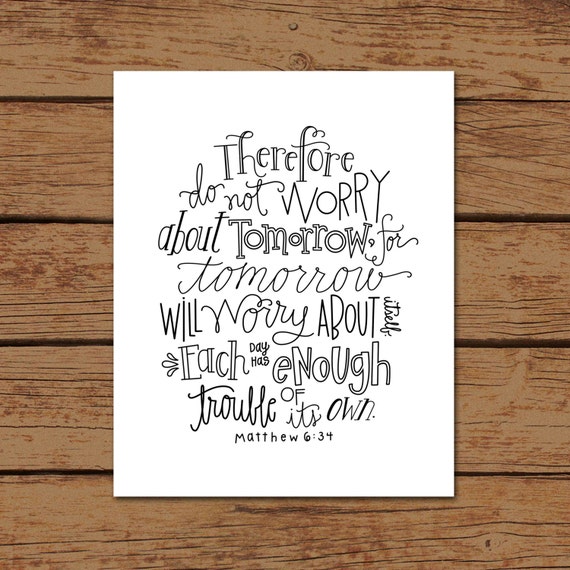 |
| © Sincerely Teri Lea |
So that's where I'm at right now. I'm stressed. I'm freaking out. I'm at the point of throwing my hands up and just giving up. I would love to just become a hermit…but that's not what God has called me to. He has called me to a life of perseverance, sacrifice, humility and creativity.
Pray for me?
Thursday, July 31, 2014
Tips on Eating Healthy on $50 a Week
It's no secret that my husband and I live on a tight budget. We've learned that having a smaller paycheck does not mean we need to compromise the quality of foods the we eat! I've been asked by SO MANY people how do we eat HEALTHY on $50 a week! Yes…$50 a WEEK for two people!

It takes some sacrificing. When you are unable to spend an unlimited amount of money on food you have to make some choices. Remember, "not right now" does not mean "no forever". Keep that in mind while you read my few suggestions on eating WELL on a tight budget!
1. Go meat free a few times a week! You don't have to eat meat every single day to get adequate amounts of protein in your diet! I know, you may be a meat lover. Maybe you can start with a "meatless Monday" and work your way up to 3 days a week without meat!
2. Dairy. Cut back on your dairy. Don't drink milk regularly. It will save you tons. Milk in New Orleans ranges from $3-5 a gallon…and we used to go through a gallon a week. That is almost 10% of our weekly budget! Yikes! Now we only use milk for my husbands cereal addiction and baking. Consider cutting back on the amount of cheese and yogurts you eat as well. They add up in cost!
3. Say no to steak! YIKES! I know many of you out there LOVE a good steak…or other fancy meats. I, personally, have never enjoyed red meat! I am a lover of chicken and turkey. So, with that said. try to eat a lot of lean meats…like chicken. Stay away from FRIED chicken!
4. Cut back on convenience purchases. Rather than buying a bag of shredded cheese, consider buying a block and shredding it yourself! Don't buy a fruit or veggie tray or salad. Buy fresh fruits and veggies and divvy them up yourself.
5. Frozen is okay! Fresh fruits and vegetables can get expensive! It's OKAY to buy frozen. I can buy a good size bag of frozen broccoli for under $2. It lasts us forever! Frozen fruit is GREAT! We like to have frozen fruit in the freezer during the summer! Prevents us from going out for ice cream!
6. Avoid packaged foods. Seriously. Ignore the chips, cereal, and other packaged food aisles. These foods are low in nutrition and high in price.
7. Consider making your bread. I purchased a 50 lb bag of bread flour at Costco for $14.50. It is enough flour to last me 5-6 months while making a loaf of bread a week! Bread machines are a GREAT tool to assist in bread making too! Just throw in your ingredients and walk away. I can't buy a bread free of chemicals and high fructose corn syrup for that cheap! It's not possible!
8. Say no to soda AND juice! Yep. Just say no. Consider drinking water at home and only indulging in a juice or soda when you're eating out. Drinking your calories can be an easy way to increase your sugar levels to a dangerous level. Soda is cheap…but it's terrible for you. Juice is rarely 100% juice and is always high in sugar! If water is boring, add fresh fruits, vegetable and herbs to it for added flavor!
9. Meal plan! Seriously, it's so much easier to shop and stay in your budget when you have plan out exactly what you're cooking and what you need. Look through your cabinets. What do you already have on hand? Use up these ingredients and only buy what you need to compliment them.
10. There may be a few weeks where you don't even spend your entire $50. Say you only spent $45. What do you do with the "extra" $5?? Well, consider putting it into savings rather than indulging in something extra. If you're on a tight budget, that extra $5 here and there can help build up your savings. Another option is to pay an extra $5 towards a credit card or loan payment that week!
11. Cook from home! Cooking from scratch does not have to be time consuming. Crock Pots are a great tool! Since you're now buying meat and fresh veggies and no packaged meals…you'll have to cook from scratch more…but you will be saving money not only in your grocery bill, but also your medical. By cooking from scratch you will most likely be consuming a lot less sodium and sugars!
12. FREEZE your leftovers! Seriously. have back up meals in your freezer. Consider making meals a little bit bigger than you need so you can purposely freeze a portion.
I have found a lot of inspiration on recipes for my meal planning on Pinterest! You can find my MANY recipes on there if you'd like some inspiration.
What other tips do you have to save money on your grocery list? Comment below!
Sunday, May 24, 2009
Architectural Restoration: Our Responsibility
Written By Sara Fischbach, May 2009
“The mother art is architecture. Without an architecture of our own we have no soul of our own civilization .” The architecture of Chicago is not only important to this Midwest city, but also to the United States as a whole. This city has birthed many great architects and architectural foundations that lead the way for a modern city to be built. Many of these great designers include Dankmar Adler, Daniel H. Burnham, William Holabird, William Le Baron Jenney, John Wellborn Root and Louis Sullivan. The list of important architects, however, does not stop here. Looking to the phenomenon of modernism, Chicago boasts Bertrand Goldberg, Ludwig Mies Van Der Rohe, Frank Lloyd Wright, and the list goes on. It seems that Chicago is the place where architects from around the world want to have a structure built. Most recently the city is filled with international designs as evidenced in The Spire designed by Calatrava, a Spanish architect. Chicago is considered to be a place where new and great designs in architecture are imagined and experienced.
The future of architectural design in Chicago is in transition. Though long heralded as the epi-center for innovative new design, the fusion of conservation and sustainable design may soon outshine the building of the new. Merging green and sustainable design technologies into a historic building is imperative yet can be very challenging given our current economic crisis. It is extremely vital to find a suitable way to combine the historic integrity of a building and yet make it as energy efficient as possible. In this paper, I will investigate the challenges of restoring a sustainable historic building. The idea of “being green” tends to be at the center of our design culture today and our designers encounter numerous complications and hard decisions while attempting to “recycle and reuse” the already existent urban setting of Chicago. I will explore the innovations projected by two local firms in an effort to make clear the possibilities that are concurrently merging the past and the future.
The buildings in the United States alone account for 72% of the U.S. electricity consumption, 39% of energy use, 38% of all carbon dioxide (CO2) emissions, 40% of raw materials use, 30% of waste output (136 million tons annually), and 14% of potable water consumption . That is a lot of energy being used by only 5 percent of the world’s population . The construction in the United States for our built environment produces an annual output of U.S. $4.6 trillion, contributing to 8-10% of the global Gross Domestic Product (GDP) . If America is to cut back in their tearing down and building of new structures, then we would be able to cut down our annual construction spending. In order to do this we need to take advantage of the buildings that already exist.
Richard Moe, President of the National Trust for Historic Preservation, defined the need for conservation at the Green Building – Historic Preservation Symposium in Washington DC in the spring of 2008 stating that “When you strip away the rhetoric, preservation is simply having the good sense to hold on to things that are well designed, that link us with our past in a meaningful way, and that have plenty of good use left in the.” It is easy to tear down an old, tattered building, however, in doing so we loose sight of our origination as well as a visual, architectural chronology in the urban city. Preservation is also a way of cutting down our energy use in building construction. Reusing an already existing building is sustainable in itself because it already exists and has existed for an extended period of time. In some cases these buildings can be updated with minor modifications to make them compatible with new uses as well as a more energy efficient building than it originally was. This, however, is not always an easy task.
Among the most pressing concerns facing sustainable design is a Leadership in Energy and Environmental Design (LEED) Certification. This certification provides independent, third party verification that a building project is environmentally responsible, profitable and a healthy place to live and work. The goal of many architects today is to find a way to either build a new building or take an old building and qualify it for this certification. A building that is LEED certified meets the following criteria: it has a lesser operating cost and an improved value; it reduces garbage sent to landfills; it preserves energy and water; it is healthier and safer for tenants; it reduces damaging greenhouse gas emissions; qualifies for tax rebates, zoning allowances and other inducements in a multitude of cities; and it demonstrates an owner's pledge to environmental stewardship and social accountability. It is not an easy task to make an older building maintain its integrity and meet the previously mentioned conditions to a LEED certification.
It appears that, unfortunately, the ‘green movement’ tends to overlook the achievements of those restoring older buildings and focus on the new constructions that are overwhelming environmentally friendly. In Canada, however, the Canadian Green Building Council (CaGBC) is launching a LEED certification program specifically for existing buildings. Like the already instated LEED certification, it will include a rating system that awards developers credits towards a LEED certification based on particular energy performance factors and green-friendly project essentials. As architect at a Toronto design firm notes, “Sometimes there are heritage attributes of a building that have to be maintained and there has to be some flexibility with LEED in terms of the expectations of building performance.” A certification program like this in the United States is essential to the progression for restoring our landmarks. I fear that if a certification like this does not happen, eventually the push for restoration will hit a decline because the efficiency in these buildings is not up to par compared to the new 21st century structures. If this were to happen we would be at risk of loosing some of America’s most precious and unique history, our architecture.
In talking with Nathan Kipnis of Nathan Kipnis Architects, Inc. of Evanston, I learned of the many difficulties with renovating an old building to modern standards. Some of these complications include, but are not limited to, the fact that the building was not originally intended to function in the manner we are attempting to use it for today. An example I immediately think of is the Art & Design building of Columbia College Chicago located at 623 S. Wabash Ave. Built in 1895 by Solon S. Beman, this structure was originally built for the Studebaker Brothers Carriage Company of Fort Wayne, Indiana as its Chicago regional office and warehouse facility. Obviously a school has very different needs from those of a car warehouse facility. For example, a school needs multiple classrooms, washrooms, offices and places for multitudes of people to exist within on a regular basis, whereas a vehicle warehouse needs just wide-open space for multiple cars to occupy and to be worked on. The ventilation systems would also vary as well due to the difference in occupation of the space. With this, you start to face problems with installation and mechanical systems as well as ventilation. At 623 Wabash there always seems to be a problem with the space being too cold or too warm. The building rarely achieves the proper balance of interior temperature compared to the exterior temperature. Another concern with the building relates to the aesthetics. Many rooms have dropped ceilings to allow space for the, what appears to be, outdated ventilation system. Due to the lowered ceilings, the windows are cut off. Those sitting in the classrooms are only able to enjoy half of the view of the outside, less than what was intended by the building designer.
There are also different requirements and regulations for the various types of buildings. An example is that a public building must allow for the Americans with Disabilities Act (ADA) to be incorporated into their design, meaning, that there must be equal access for those in a wheel chair, walking cane, etc. to be able to access the building opposed to a person who can easily walk . The building at 623 S. Wabash, I am sure, has passed ADA regulations, but just barely. There is one narrow ramp in the entrance leading to two very small elevators that more than likely are crammed with students every time it leaves the lobby. There are two other elevators in the building, however they are in the back. That requires someone with a physical disability to go to the back of the building in order to get to his or her classroom. The hallways on the classroom floors are approximately three or four feet wide. ADA requires three feet in width for a wheel chair to get by. This, however, doesn’t take into consideration that people travel in both directions in a hallway and have little to no room to walk by can be a major inconvenience when carrying a large project in your hands.
Other problems that creep up when restoring an older building include possible toxic materials hidden within the structure or a basement slat with no vapor barrier to prevent flooding in the basement of the building. When it comes to cosmetic problems, it must be determined if the original glass windows should be restored or replaced with more energy efficient models that resemble the originals. In regards to windows, Kipnis prefers to use the original glass putting an additional glaze on it rather than replacing the entire window. A good thing, though, about the older buildings is that the wood used for the framework as well as trim and flooring tends to be much better quality than the wood available today. It has far superior aesthetic appeal.
Economics plays a significant role in the restoration of a building. Attempting to install newer technologies, which make for a more efficient building, is costly and can create a barrier. To use the previous examples of windows, many times when one is to replace the windows in an older building, not only are you throwing away the beautifully, wooden framed glass and replacing them with vinyl windows, but more than likely you are going to have to have them custom-built. We all know that when the term ‘custom-built’ comes up, it is bound to be expensive. In contrast, window restoration can be more cost effective. Repairs, glazing, weather-stripping, and the addition of an exterior storm window are far less costly then full custom replacements. Once finished, the window operates as it was originally designed to function. The cost is generally on equivalent with a high-end sash replacement (replacing only the movable part of the window), however, the windows are preserved as well as the integrity of the building, which is priceless. Historic wood windows can easily last more than 100 years if properly maintained, and studies have shown you can save 30-40% on heating costs by just repairing failed glazing or adding weather-stripping.
There is a lack of funding, unfortunately, for green and sustainable technologies to be made and develop in the United States. Between 2002 and 2004, federal green building research accounted for about 0.2% of all Federally funded research. This appears to be incomprehensible considering the benefits that can be gained by improving the efficiency and the health and environmental quality of buildings. Within the green building research fund, energy and atmosphere research account for the mass majority of funding, including energy efficiency topics, renewable energy technologies and other atmospheric issues. The building-related renewable research is almost entirely on photovoltaics (research to make solar cells for energy by converting sun energy directly into electricity), though there is also some research on fuel cells in architectural applications. If we are to cut our construction costs, it is imperative that heavy research is done in order to make this happen. We should not be focusing all of our research into energy for vehicles and other uses; rather, we must also focus on sustainable design and technology. Even with these economic problems, Kipnis positively noted that there is always a solution, but it’s just a matter of taking the time to find it.
It would be much easier, overall, to tear down these old buildings and start from scratch, however by taking the time to solve the previously specified problems we decrease landfill debris and the energy used to demolish the structure and to build new. Also, it is important to consider the urban city as an environment. The city is a built environment, arguably, one worth saving. If we consider an environment to be “the circumstances, objects, or conditions by which one is surrounded” than this means that an environment does not have to be the forests or mountains like we commonly think. It means that the buildings and highways that surround us, too, are an environment. There is a serious debate going on around the world about how we are to act and respond with the ever-changing environmental changes. The President of NTHP, Moe, said it best, “Reusing buildings and reinvesting in existing communities are keystones of sustainable development. We can’t build our way out of the global warming crisis. We have to conserve our way out. ” I like to look at the buildings and structures of Chicago as an environment worth preserving. Imagine a Chicago without a Sears Tower or without a Wrigley building. These buildings are essential to the atmosphere and character of Chicago. Without them, the city is lacking. Modern architecture in the United States started in Chicago and it is important to keep these originating structures intact and useful, not only for environmental reasons but for historical value and integrity. By reusing these essential buildings we do not disrupt the surrounding neighborhood in as great of a degree as would constructing an entirely new structure. A huge hole in the city of Chicago can be ugly and unapproachable. The construction site at Dearborn and Washington reminds me of just this. The erection of a new shopping center in the center of the city not only looks unpleasing to the eye, but also causes traffic jams and the closing of a public transportation hub. This construction affects everyone in Chicago one way or another. I believe that this city would feel much more accomplished if they were to take a one hundred and fifty year old building and have it LEED certified than having a brand new building LEED certified.
If the city of Chicago is to transition into the restoration of our buildings and make them efficient, I believe that it is vital for every architect or designer to obtain an LEED Professional Accreditation. The LEED Professional Accreditation differentiates building professionals with the knowledge and talents to successfully warden the LEED certification progression. LEED Accredited Professionals are able to demonstrate a complete understanding of green building systems and principles and the LEED Rating System™. If every architect and designer had this training there would probably be less of a challenge to acquire an LEED certification, even with a historic building.
It is also important to determine whether or not a building is salvageable. Is the basic structure of the building able to withstand many more generations of use and environmental change? If the structure is not salvageable, it is critical to assess what materials in the building can be reused, such as the hard wood floors, structural beams, light fixtures, etc. It is important to remember that even if it is impossible to conserve a building it is vital to reuse every material that is salvageable to prevent more waste in a landfill. Kipnis told me about a home his firm built in Highland Park, IL where there was a very large oak tree that had to be torn down in order for the home to be built. Rather than cutting it down and tossing it aside, the firm sent it to a factory that would mill the wood specifically for this project. Kipnis, therefore, was able to integrate this tree into the floors, frame and other aspects of this home to assure that this fallen tree was used to its greatest potential. This may not be a restoration, but it is a good example to take notes from when considering the waste control of conserving or demolishing a building or landsite.
The Domestic Violence Courthouse in Chicago exemplifies many of the principles of reuse. Located at 555 W. Harrison, this project was led by Campbell Tiu Campbell. The building opened in October 2005 and is currently seeking LEED Silver certification. The new courthouse is housed in an 1892 brick building originally built as a printing shop and since used for a variety of activities. Now it houses 10 courtrooms, social services, childcare facilities, and public agency office space. This structure now has a large solar electric (photovoltaic) arrangement on the roof, supplying 5% of the building’s annual energy use. This is a great achievement because few projects can install enough solar panels to reach this percentage and earn credit in LEED certification. The Forest Stewardship Council certified over 50% of the wood products in the courthouse. The modern mechanical system works with the building exterior to provide 28% energy savings. Many other typical LEED points are also present, including showers for cyclists. The courthouse is the first constructed under Cook County’s ordinance requiring LEED certification for all new county-owned buildings. In this example, it had been determined that the original courthouse could not be expanded, so the city decided to use an old warehouse building, fortunately, rather than building a new, modern, structure. Truly following the mandate of reuse, the former courthouse, located at 13th and Michigan, is being converted into luxury condominiums by a private owner.
In contrast, Columbia College is building a brand new structure at 16th and State to house the new Media Production Center. This school prides itself on 118 years of reusing and recycling existing structures, yet, for this need for sound stages and a motion capture studio they decided to build new. This is a big blow to the character of, what was, Columbia College: adaptive, resourceful, and recyclers. This new building, being constructed by Studio Gang Architects, will be a beautifully, environmentally friendly building, but at what cost? This building is said to cost $21-million. In talking with Margaret Cavanaugh of Studio Gang Architects , I’m confident that this building will be highly efficient and one-of-a-kind, but is it as environmentally friendly as we think? It is important to consider the harm construction causes the environment. It saves a lot of energy and conserves the neighborhood by using an already existing structure. It seems that this city has a long way to go before they can truly be considered green.
In conclusion I have discussed what it means to preserve and conserve a building and the importance of such practices. Not only does it protect a vital history to a culture but also it prevents a lot of environmental damage caused by the demolishing of an old building and the construction of a new building. The problems faced by architects and designers when restoring an old building and making it energy efficient have also been discussed, however, it is important to remember that there are many solutions available. It is imperative to determine what works best for each project and go with it. Lastly, there are many possible ways in merging the old with the new. It is important to train all architects and designers in the proper knowledge that allows them to naturally think “green” in every project. Also, it is vital to remember that even if a building must be torn down, there will be materials that do not need to sit in a landfill. Lastly, I believe that a city can only truly be considered green when they are able to take what they already have and make it work for them in a sustainable and efficient manner.
References
1. "Frank Lloyd Wright quotes." Find the famous quotes you need, ThinkExist.com Quotations. 13 May 2009.
2 "Green Building Research." U.S. Green Building Council. 13 Mar. 2009.
3 LIPTAK, ADAM. "The New York Times Log In." The New York Times - Breaking News, World News & Multimedia. 23 Apr. 2008. 15 Apr. 2009.
4 "Green Building by the Numbers." Green Building by the Numbers. Apr. 2009. 13 Apr. 2009.
5 Moe, Richard. “Green Building and Historic Preservation Symposium.” Breen
Building and Historic Preservation Symposium. Washington DC. 29 Apr. 2008. 16
Mar. 2009-resources/Dick_Moe_DC_finalspeech_web.pdf>
6 "LEED Rating Systems." LEED Rating Systems. 13 Mar. 2009.
7 "Project Certification." Project Certification. 13 Mar. 2009.
8 Procter, Don. "Green movement needs to reward developers who restore historic buildings, too Daily Commercial News." Daily Commercial News Reporting on the Canadian Construction Industry since 1927. 3 June 2008. 15 Apr. 2009.
9 Lindsay Reid, architect with E.R.A. Architects Inc., a Toronto design firm that specializes in adaptive reuse and historic restoration "Green movement needs to reward developers who restore historic buildings, too Daily Commercial News." Daily Commercial News Reporting on the Canadian Construction Industry since 1927. 3 June 2008. 15 Apr. 2009.
10 "Columbia College Chicago : 623 S. Wabash Building." Columbia College Chicago : Home. 19 Mar. 2009.
11 "Americans with Disabilities Act." U.S. Equal Employment Opportunity Commission (EEOC). 12 Apr. 2009.
12 Nathan Kipnis Architects, Inc. 11 Mar. 2009.
13 Nathan Kipnis Architects, Inc. 11 Mar. 2009.
14 Aley, Judson. "Preserving Historic Windows: Shattering the Myths of Replacement Windows | Connecticut Trust For Historic Preservation." Connecticut Trust For Historic Preservation | Home. 14 Apr. 2009.
15 Aley, Judson. "Preserving Historic Windows: Shattering the Myths of Replacement Windows | Connecticut Trust For Historic Preservation." Connecticut Trust For Historic Preservation | Home. 14 Apr. 2009.
16 Baum, Mara. Green Building Research Funding: An Assessment of Current Activity in the United Statesi. Publication. 2006. U.S. Green Building Council. 15 Apr. 2009.
17 Nathan Kipnis Architects, Inc. 11 Mar. 2009.
18 "environment." Merriam-Webster Online Dictionary. 2009.Merriam-Webster Online. 14 April 2009
19 Moe, Richard. “Green Building and Historic Preservation Symposium.” Breen Building and Historic Preservation Symposium. Washington DC. 29 Apr. 2008. 16 Mar. 2009
20 "LEED Professional Accrediation." LEED Professional Accrediation. 15 Apr. 2009.
21 "Four-Story Cook County Domestic Violence Courthouse Seeks LEED® Silver Certification | Green Bean Chicago." Green Bean Chicago | GreenBean Chicago | Green Building Chicago. 28 Aug. 2006. 16 Apr. 2009.
22 Brown, Parson. "Columbia College Chicago : Groundbreaking." Columbia College Chicago : CMS. 8 Dec. 2008. 17 Apr. 2009.
23 "Margaret Cauvenaugh of Studio Gang Architects." Telephone interview. 1 Apr. 2009.
“The mother art is architecture. Without an architecture of our own we have no soul of our own civilization .” The architecture of Chicago is not only important to this Midwest city, but also to the United States as a whole. This city has birthed many great architects and architectural foundations that lead the way for a modern city to be built. Many of these great designers include Dankmar Adler, Daniel H. Burnham, William Holabird, William Le Baron Jenney, John Wellborn Root and Louis Sullivan. The list of important architects, however, does not stop here. Looking to the phenomenon of modernism, Chicago boasts Bertrand Goldberg, Ludwig Mies Van Der Rohe, Frank Lloyd Wright, and the list goes on. It seems that Chicago is the place where architects from around the world want to have a structure built. Most recently the city is filled with international designs as evidenced in The Spire designed by Calatrava, a Spanish architect. Chicago is considered to be a place where new and great designs in architecture are imagined and experienced.
The future of architectural design in Chicago is in transition. Though long heralded as the epi-center for innovative new design, the fusion of conservation and sustainable design may soon outshine the building of the new. Merging green and sustainable design technologies into a historic building is imperative yet can be very challenging given our current economic crisis. It is extremely vital to find a suitable way to combine the historic integrity of a building and yet make it as energy efficient as possible. In this paper, I will investigate the challenges of restoring a sustainable historic building. The idea of “being green” tends to be at the center of our design culture today and our designers encounter numerous complications and hard decisions while attempting to “recycle and reuse” the already existent urban setting of Chicago. I will explore the innovations projected by two local firms in an effort to make clear the possibilities that are concurrently merging the past and the future.
The buildings in the United States alone account for 72% of the U.S. electricity consumption, 39% of energy use, 38% of all carbon dioxide (CO2) emissions, 40% of raw materials use, 30% of waste output (136 million tons annually), and 14% of potable water consumption . That is a lot of energy being used by only 5 percent of the world’s population . The construction in the United States for our built environment produces an annual output of U.S. $4.6 trillion, contributing to 8-10% of the global Gross Domestic Product (GDP) . If America is to cut back in their tearing down and building of new structures, then we would be able to cut down our annual construction spending. In order to do this we need to take advantage of the buildings that already exist.
Richard Moe, President of the National Trust for Historic Preservation, defined the need for conservation at the Green Building – Historic Preservation Symposium in Washington DC in the spring of 2008 stating that “When you strip away the rhetoric, preservation is simply having the good sense to hold on to things that are well designed, that link us with our past in a meaningful way, and that have plenty of good use left in the.” It is easy to tear down an old, tattered building, however, in doing so we loose sight of our origination as well as a visual, architectural chronology in the urban city. Preservation is also a way of cutting down our energy use in building construction. Reusing an already existing building is sustainable in itself because it already exists and has existed for an extended period of time. In some cases these buildings can be updated with minor modifications to make them compatible with new uses as well as a more energy efficient building than it originally was. This, however, is not always an easy task.
Among the most pressing concerns facing sustainable design is a Leadership in Energy and Environmental Design (LEED) Certification. This certification provides independent, third party verification that a building project is environmentally responsible, profitable and a healthy place to live and work. The goal of many architects today is to find a way to either build a new building or take an old building and qualify it for this certification. A building that is LEED certified meets the following criteria: it has a lesser operating cost and an improved value; it reduces garbage sent to landfills; it preserves energy and water; it is healthier and safer for tenants; it reduces damaging greenhouse gas emissions; qualifies for tax rebates, zoning allowances and other inducements in a multitude of cities; and it demonstrates an owner's pledge to environmental stewardship and social accountability. It is not an easy task to make an older building maintain its integrity and meet the previously mentioned conditions to a LEED certification.
It appears that, unfortunately, the ‘green movement’ tends to overlook the achievements of those restoring older buildings and focus on the new constructions that are overwhelming environmentally friendly. In Canada, however, the Canadian Green Building Council (CaGBC) is launching a LEED certification program specifically for existing buildings. Like the already instated LEED certification, it will include a rating system that awards developers credits towards a LEED certification based on particular energy performance factors and green-friendly project essentials. As architect at a Toronto design firm notes, “Sometimes there are heritage attributes of a building that have to be maintained and there has to be some flexibility with LEED in terms of the expectations of building performance.” A certification program like this in the United States is essential to the progression for restoring our landmarks. I fear that if a certification like this does not happen, eventually the push for restoration will hit a decline because the efficiency in these buildings is not up to par compared to the new 21st century structures. If this were to happen we would be at risk of loosing some of America’s most precious and unique history, our architecture.
In talking with Nathan Kipnis of Nathan Kipnis Architects, Inc. of Evanston, I learned of the many difficulties with renovating an old building to modern standards. Some of these complications include, but are not limited to, the fact that the building was not originally intended to function in the manner we are attempting to use it for today. An example I immediately think of is the Art & Design building of Columbia College Chicago located at 623 S. Wabash Ave. Built in 1895 by Solon S. Beman, this structure was originally built for the Studebaker Brothers Carriage Company of Fort Wayne, Indiana as its Chicago regional office and warehouse facility. Obviously a school has very different needs from those of a car warehouse facility. For example, a school needs multiple classrooms, washrooms, offices and places for multitudes of people to exist within on a regular basis, whereas a vehicle warehouse needs just wide-open space for multiple cars to occupy and to be worked on. The ventilation systems would also vary as well due to the difference in occupation of the space. With this, you start to face problems with installation and mechanical systems as well as ventilation. At 623 Wabash there always seems to be a problem with the space being too cold or too warm. The building rarely achieves the proper balance of interior temperature compared to the exterior temperature. Another concern with the building relates to the aesthetics. Many rooms have dropped ceilings to allow space for the, what appears to be, outdated ventilation system. Due to the lowered ceilings, the windows are cut off. Those sitting in the classrooms are only able to enjoy half of the view of the outside, less than what was intended by the building designer.
There are also different requirements and regulations for the various types of buildings. An example is that a public building must allow for the Americans with Disabilities Act (ADA) to be incorporated into their design, meaning, that there must be equal access for those in a wheel chair, walking cane, etc. to be able to access the building opposed to a person who can easily walk . The building at 623 S. Wabash, I am sure, has passed ADA regulations, but just barely. There is one narrow ramp in the entrance leading to two very small elevators that more than likely are crammed with students every time it leaves the lobby. There are two other elevators in the building, however they are in the back. That requires someone with a physical disability to go to the back of the building in order to get to his or her classroom. The hallways on the classroom floors are approximately three or four feet wide. ADA requires three feet in width for a wheel chair to get by. This, however, doesn’t take into consideration that people travel in both directions in a hallway and have little to no room to walk by can be a major inconvenience when carrying a large project in your hands.
Other problems that creep up when restoring an older building include possible toxic materials hidden within the structure or a basement slat with no vapor barrier to prevent flooding in the basement of the building. When it comes to cosmetic problems, it must be determined if the original glass windows should be restored or replaced with more energy efficient models that resemble the originals. In regards to windows, Kipnis prefers to use the original glass putting an additional glaze on it rather than replacing the entire window. A good thing, though, about the older buildings is that the wood used for the framework as well as trim and flooring tends to be much better quality than the wood available today. It has far superior aesthetic appeal.
Economics plays a significant role in the restoration of a building. Attempting to install newer technologies, which make for a more efficient building, is costly and can create a barrier. To use the previous examples of windows, many times when one is to replace the windows in an older building, not only are you throwing away the beautifully, wooden framed glass and replacing them with vinyl windows, but more than likely you are going to have to have them custom-built. We all know that when the term ‘custom-built’ comes up, it is bound to be expensive. In contrast, window restoration can be more cost effective. Repairs, glazing, weather-stripping, and the addition of an exterior storm window are far less costly then full custom replacements. Once finished, the window operates as it was originally designed to function. The cost is generally on equivalent with a high-end sash replacement (replacing only the movable part of the window), however, the windows are preserved as well as the integrity of the building, which is priceless. Historic wood windows can easily last more than 100 years if properly maintained, and studies have shown you can save 30-40% on heating costs by just repairing failed glazing or adding weather-stripping.
There is a lack of funding, unfortunately, for green and sustainable technologies to be made and develop in the United States. Between 2002 and 2004, federal green building research accounted for about 0.2% of all Federally funded research. This appears to be incomprehensible considering the benefits that can be gained by improving the efficiency and the health and environmental quality of buildings. Within the green building research fund, energy and atmosphere research account for the mass majority of funding, including energy efficiency topics, renewable energy technologies and other atmospheric issues. The building-related renewable research is almost entirely on photovoltaics (research to make solar cells for energy by converting sun energy directly into electricity), though there is also some research on fuel cells in architectural applications. If we are to cut our construction costs, it is imperative that heavy research is done in order to make this happen. We should not be focusing all of our research into energy for vehicles and other uses; rather, we must also focus on sustainable design and technology. Even with these economic problems, Kipnis positively noted that there is always a solution, but it’s just a matter of taking the time to find it.
It would be much easier, overall, to tear down these old buildings and start from scratch, however by taking the time to solve the previously specified problems we decrease landfill debris and the energy used to demolish the structure and to build new. Also, it is important to consider the urban city as an environment. The city is a built environment, arguably, one worth saving. If we consider an environment to be “the circumstances, objects, or conditions by which one is surrounded” than this means that an environment does not have to be the forests or mountains like we commonly think. It means that the buildings and highways that surround us, too, are an environment. There is a serious debate going on around the world about how we are to act and respond with the ever-changing environmental changes. The President of NTHP, Moe, said it best, “Reusing buildings and reinvesting in existing communities are keystones of sustainable development. We can’t build our way out of the global warming crisis. We have to conserve our way out. ” I like to look at the buildings and structures of Chicago as an environment worth preserving. Imagine a Chicago without a Sears Tower or without a Wrigley building. These buildings are essential to the atmosphere and character of Chicago. Without them, the city is lacking. Modern architecture in the United States started in Chicago and it is important to keep these originating structures intact and useful, not only for environmental reasons but for historical value and integrity. By reusing these essential buildings we do not disrupt the surrounding neighborhood in as great of a degree as would constructing an entirely new structure. A huge hole in the city of Chicago can be ugly and unapproachable. The construction site at Dearborn and Washington reminds me of just this. The erection of a new shopping center in the center of the city not only looks unpleasing to the eye, but also causes traffic jams and the closing of a public transportation hub. This construction affects everyone in Chicago one way or another. I believe that this city would feel much more accomplished if they were to take a one hundred and fifty year old building and have it LEED certified than having a brand new building LEED certified.
If the city of Chicago is to transition into the restoration of our buildings and make them efficient, I believe that it is vital for every architect or designer to obtain an LEED Professional Accreditation. The LEED Professional Accreditation differentiates building professionals with the knowledge and talents to successfully warden the LEED certification progression. LEED Accredited Professionals are able to demonstrate a complete understanding of green building systems and principles and the LEED Rating System™. If every architect and designer had this training there would probably be less of a challenge to acquire an LEED certification, even with a historic building.
It is also important to determine whether or not a building is salvageable. Is the basic structure of the building able to withstand many more generations of use and environmental change? If the structure is not salvageable, it is critical to assess what materials in the building can be reused, such as the hard wood floors, structural beams, light fixtures, etc. It is important to remember that even if it is impossible to conserve a building it is vital to reuse every material that is salvageable to prevent more waste in a landfill. Kipnis told me about a home his firm built in Highland Park, IL where there was a very large oak tree that had to be torn down in order for the home to be built. Rather than cutting it down and tossing it aside, the firm sent it to a factory that would mill the wood specifically for this project. Kipnis, therefore, was able to integrate this tree into the floors, frame and other aspects of this home to assure that this fallen tree was used to its greatest potential. This may not be a restoration, but it is a good example to take notes from when considering the waste control of conserving or demolishing a building or landsite.
The Domestic Violence Courthouse in Chicago exemplifies many of the principles of reuse. Located at 555 W. Harrison, this project was led by Campbell Tiu Campbell. The building opened in October 2005 and is currently seeking LEED Silver certification. The new courthouse is housed in an 1892 brick building originally built as a printing shop and since used for a variety of activities. Now it houses 10 courtrooms, social services, childcare facilities, and public agency office space. This structure now has a large solar electric (photovoltaic) arrangement on the roof, supplying 5% of the building’s annual energy use. This is a great achievement because few projects can install enough solar panels to reach this percentage and earn credit in LEED certification. The Forest Stewardship Council certified over 50% of the wood products in the courthouse. The modern mechanical system works with the building exterior to provide 28% energy savings. Many other typical LEED points are also present, including showers for cyclists. The courthouse is the first constructed under Cook County’s ordinance requiring LEED certification for all new county-owned buildings. In this example, it had been determined that the original courthouse could not be expanded, so the city decided to use an old warehouse building, fortunately, rather than building a new, modern, structure. Truly following the mandate of reuse, the former courthouse, located at 13th and Michigan, is being converted into luxury condominiums by a private owner.
In contrast, Columbia College is building a brand new structure at 16th and State to house the new Media Production Center. This school prides itself on 118 years of reusing and recycling existing structures, yet, for this need for sound stages and a motion capture studio they decided to build new. This is a big blow to the character of, what was, Columbia College: adaptive, resourceful, and recyclers. This new building, being constructed by Studio Gang Architects, will be a beautifully, environmentally friendly building, but at what cost? This building is said to cost $21-million. In talking with Margaret Cavanaugh of Studio Gang Architects , I’m confident that this building will be highly efficient and one-of-a-kind, but is it as environmentally friendly as we think? It is important to consider the harm construction causes the environment. It saves a lot of energy and conserves the neighborhood by using an already existing structure. It seems that this city has a long way to go before they can truly be considered green.
In conclusion I have discussed what it means to preserve and conserve a building and the importance of such practices. Not only does it protect a vital history to a culture but also it prevents a lot of environmental damage caused by the demolishing of an old building and the construction of a new building. The problems faced by architects and designers when restoring an old building and making it energy efficient have also been discussed, however, it is important to remember that there are many solutions available. It is imperative to determine what works best for each project and go with it. Lastly, there are many possible ways in merging the old with the new. It is important to train all architects and designers in the proper knowledge that allows them to naturally think “green” in every project. Also, it is vital to remember that even if a building must be torn down, there will be materials that do not need to sit in a landfill. Lastly, I believe that a city can only truly be considered green when they are able to take what they already have and make it work for them in a sustainable and efficient manner.
References
1. "Frank Lloyd Wright quotes." Find the famous quotes you need, ThinkExist.com Quotations. 13 May 2009
2 "Green Building Research." U.S. Green Building Council. 13 Mar. 2009
3 LIPTAK, ADAM. "The New York Times Log In." The New York Times - Breaking News, World News & Multimedia. 23 Apr. 2008. 15 Apr. 2009
4 "Green Building by the Numbers." Green Building by the Numbers. Apr. 2009. 13 Apr. 2009
5 Moe, Richard. “Green Building and Historic Preservation Symposium.” Breen
Building and Historic Preservation Symposium. Washington DC. 29 Apr. 2008. 16
Mar. 2009
6 "LEED Rating Systems." LEED Rating Systems. 13 Mar. 2009
7 "Project Certification." Project Certification. 13 Mar. 2009
8 Procter, Don. "Green movement needs to reward developers who restore historic buildings, too Daily Commercial News." Daily Commercial News Reporting on the Canadian Construction Industry since 1927. 3 June 2008. 15 Apr. 2009
9 Lindsay Reid, architect with E.R.A. Architects Inc., a Toronto design firm that specializes in adaptive reuse and historic restoration "Green movement needs to reward developers who restore historic buildings, too Daily Commercial News." Daily Commercial News Reporting on the Canadian Construction Industry since 1927. 3 June 2008. 15 Apr. 2009
10 "Columbia College Chicago : 623 S. Wabash Building." Columbia College Chicago : Home. 19 Mar. 2009
11 "Americans with Disabilities Act." U.S. Equal Employment Opportunity Commission (EEOC). 12 Apr. 2009
12 Nathan Kipnis Architects, Inc. 11 Mar. 2009
13 Nathan Kipnis Architects, Inc. 11 Mar. 2009
14 Aley, Judson. "Preserving Historic Windows: Shattering the Myths of Replacement Windows | Connecticut Trust For Historic Preservation." Connecticut Trust For Historic Preservation | Home. 14 Apr. 2009
15 Aley, Judson. "Preserving Historic Windows: Shattering the Myths of Replacement Windows | Connecticut Trust For Historic Preservation." Connecticut Trust For Historic Preservation | Home. 14 Apr. 2009
16 Baum, Mara. Green Building Research Funding: An Assessment of Current Activity in the United Statesi. Publication. 2006. U.S. Green Building Council. 15 Apr. 2009
17 Nathan Kipnis Architects, Inc. 11 Mar. 2009
18 "environment." Merriam-Webster Online Dictionary. 2009.Merriam-Webster Online. 14 April 2009
19 Moe, Richard. “Green Building and Historic Preservation Symposium.” Breen Building and Historic Preservation Symposium. Washington DC. 29 Apr. 2008. 16 Mar. 2009
20 "LEED Professional Accrediation." LEED Professional Accrediation. 15 Apr. 2009
21 "Four-Story Cook County Domestic Violence Courthouse Seeks LEED® Silver Certification | Green Bean Chicago." Green Bean Chicago | GreenBean Chicago | Green Building Chicago. 28 Aug. 2006. 16 Apr. 2009
22 Brown, Parson. "Columbia College Chicago : Groundbreaking." Columbia College Chicago : CMS. 8 Dec. 2008. 17 Apr. 2009
23 "Margaret Cauvenaugh of Studio Gang Architects." Telephone interview. 1 Apr. 2009.
Subscribe to:
Posts (Atom)